Why Is My Water Heater Not Getting Hot?
Few things are more frustrating than stepping into a shower and realizing the water isn’t heating up. When your system stops delivering hot water, it usually points to a deeper problem inside the tank, heating elements, or water supply. Many homeowners search for quick fixes, but in most cases, the safest solution is professional water heater repair in Waco to prevent bigger and more expensive damage. This guide breaks down the most common reasons your water heater isn’t getting hot, how to troubleshoot safely, and when it’s time to call a licensed plumber.
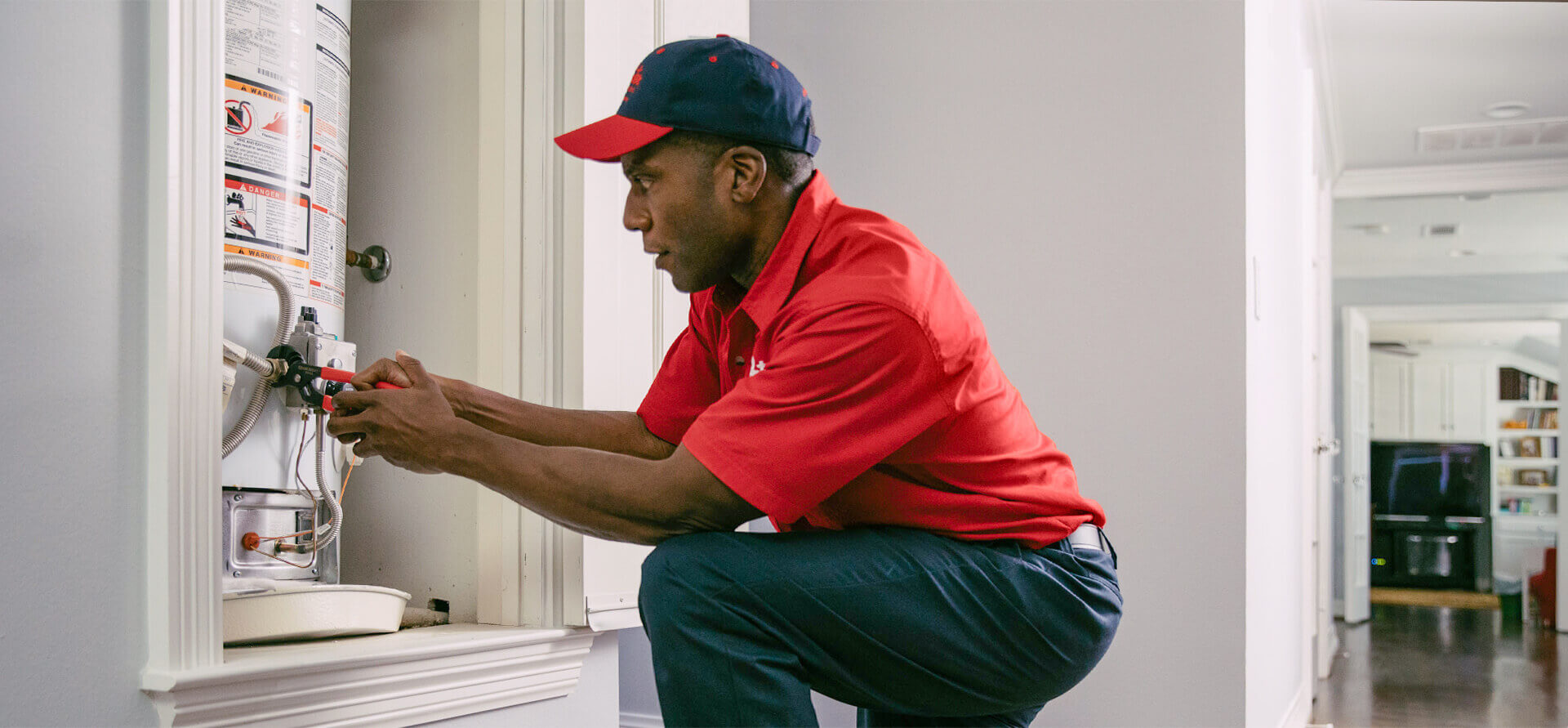
Start With the Most Common Heat Loss Issues
Most hot water failures start with something simple. Sometimes the power supply is disrupted, the thermostat is off, or sediment buildup inside the tank starts reducing heat. Even a small change inside the heater can cause a sudden drop in temperature. Since every system—electric, gas, hybrid, or tankless—operates differently, it helps to pinpoint the issue early before the tank overheats or the heat source fails.
Is Your Thermostat Misreading the Temperature?
A miscalibrated thermostat is one of the top reasons water heaters stop producing enough heat. If your tank is set below 120°F, your showers may feel lukewarm. In other cases, an aging thermostat stops sending accurate signals to the heating elements or gas burner. When that happens, the heater never reaches the temperature you’re expecting. Adjusting the thermostat can help, but if the system continues to fluctuate, it may be time for a professional evaluation to prevent overheating or electrical failure.
Are the Heating Elements Worn Out?
Electric water heaters rely on upper and lower heating elements. If one of these elements burns out, breaks, or becomes coated in hard-water minerals, your water will never reach full temperature. The upper element handles most of the heating process, so when it fails, you may get completely cold water. The lower element affects recovery time, so showers may run warm for a minute and then quickly go cold. Replacing worn heating elements restores consistent heat and keeps your system running efficiently.
Check for Sediment Buildup Inside the Tank
Waco homes often deal with hard water, which means minerals settle inside the tank over time. As these minerals harden, they form a thick layer of sediment that covers the burner or heating elements. This insulation forces the heater to work harder, reducing the amount of hot water available and shortening the system’s lifespan. If you hear popping or rumbling noises from the tank, sediment is likely the cause. Draining and flushing the system can help, but a severely clogged tank may need expert repair.
Could a Faulty Gas Supply Be the Problem?
If you have a gas water heater, a weak flame or inconsistent pilot light can stop the system from heating properly. A loose gas connection, damaged thermocouple, or blocked burner can interrupt the fuel supply. Gas issues should always be handled by a professional because leaks or ventilation problems can pose serious safety risks. If the flame looks weak or yellow instead of blue, turn off the gas and call for service immediately.
Is the Dip Tube Damaged?
The dip tube delivers cold water to the bottom of the tank so it can heat evenly. When the dip tube breaks or cracks, cold water mixes with the hot water at the top of the tank, causing inconsistent temperatures. You may notice the water gets warm for a few seconds and then quickly becomes cold again. Replacing the dip tube restores proper circulation inside the heater.
Tankless Water Heater Not Getting Hot?
Tankless systems heat water on demand, which means different issues can trigger temperature loss. Mineral scale, clogged inlet filters, ignition failure, or insufficient gas supply can all reduce the heater’s ability to raise water temperature. If multiple fixtures are demanding hot water at the same time, the heater may also struggle to keep up. Regular maintenance keeps tankless systems running reliably and helps prevent flashing error codes.
Could Your Water Heater Be Too Small?
Many homeowners discover their water heater simply can’t meet the needs of their household. If your family has grown, added a second bathroom, or installed water-heavy appliances, your tank may not be large enough. When demand exceeds capacity, showers run cold quickly and recovery times slow down. Upgrading to a larger tank or switching to a tankless system can provide steady, uninterrupted hot water.
Watch Out for Signs of an Aging System
Most water heaters last eight to twelve years. As they age, internal components begin to fail, sediment increases, and energy efficiency drops. If your unit is a decade old and suddenly not heating well, it may be nearing the end of its life. While repairs can help extend its performance, replacement is often more cost-effective in the long run.
A Temperature Issue Could Mean Bigger Trouble
When your water heater stops getting hot, the cause may seem small, but hidden damage can escalate quickly. Failed heating elements can strain electrical components. Sediment buildup can crack the tank. Weak gas flow can trigger dangerous carbon monoxide issues. If your system shows signs of overheating, leaks, or fluctuating temperatures, prompt repair protects your home and prevents costly breakdowns.
How to Troubleshoot Safely Before Calling a Plumber
You can perform a few safe checks before scheduling repairs. Make sure the breaker for an electric heater hasn’t tripped. Inspect the thermostat setting. Look for any visible leaks around the tank. Listen for unusual noises. If you have a gas heater, ensure the pilot light is lit—if it keeps going out, stop troubleshooting and call a professional. Never attempt to open the tank or remove heating elements yourself.
Why Professional Repair Makes a Difference
Hot water problems can turn into major plumbing emergencies when handled incorrectly. Licensed plumbers bring diagnostic tools, safety equipment, and the training required to repair both electric and gas systems safely. Professionals can test elements, flush sediment, repair thermostats, and inspect the burner assembly without risking electrical shock or gas leaks. With expert service, your heater can run more efficiently, reduce energy costs, and last longer.
When You Should Call Mr. Rooter Plumbing of Waco
If your water heater isn’t getting hot, won’t stay hot, or keeps running out of hot water too fast, professional service is the best next step. Mr. Rooter Plumbing of Waco provides dependable, affordable water heater repair in Waco for both traditional and tankless systems. Our team performs thorough diagnostics, resolves heating issues safely, and helps you decide whether repair or replacement is the most cost-effective choice. Whenever your system fails unexpectedly, we’re available with 24/7 emergency service and upfront pricing.
Simple Habits to Keep Hot Water Flowing
You can avoid many heat-loss problems with routine care. Flushing the tank once a year removes sediment and protects the heating elements. Checking the thermostat setting keeps your temperature stable. Inspecting pipes for leaks ensures hot water doesn’t escape before reaching the faucet. If you have a tankless system, cleaning the inlet filter and scheduling annual descaling keeps the heater working like new. And if you’ve started noticing signs you need water heater repair, it’s best to address them early to prevent bigger issues.
Final Thoughts
A water heater that isn’t getting hot is more than an inconvenience—it’s often a warning sign that a component inside the system is failing. Addressing the issue early saves you money and helps prevent damage to the heater or your home. When you need reliable fixes, trusted advice, and long-lasting results, Mr. Rooter Plumbing of Waco is here to help restore your hot water quickly and safely.


Comments
Post a Comment